

Property Investing in Australia 2026: The Australian property market has entered its most decisive and perhaps most unforgiving phase in modern financial history. As of March 2026, the “Lucky Country” has officially become the “Calculated Country.” With the RBA cash rate holding at 4.35% and household debt remaining a structural titan, investing in AU real estate now requires more than just capital—it demands a sophisticated debt architecture and clinical geographical precision.
If you are hunting for the best rates and want to understand how top lenders are operating in this high-interest environment, this guide breaks down everything you need to secure instant approval and scale your portfolio with confidence.
What is the 2026 Property Investment Strategy?
The 2026 strategy is defined by the “Great Divergence.” While Sydney and Melbourne face a liquidity desert due to an affordability wall (with Sydney medians hitting $1.7 million), selected regional hubs and the Western frontier, specifically Perth, are pushing into record-breaking territory.
Smart investing today is about looking past sensationalist headlines and focusing on the requirements of supply and demand. The game has shifted from speculative capital gains to securing positive rental yields and protecting equity against volatility. To achieve this, professional investors are moving away from traditional “Big Four” loyalty and leveraging online lenders to decouple their debt.
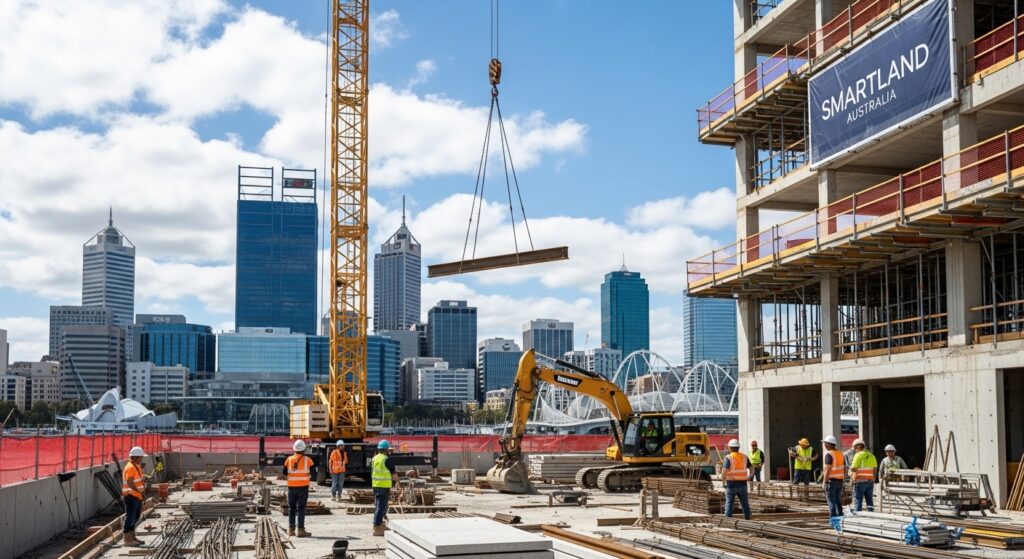
Benefits of Structured Smart Lending
Utilising the right lenders and loan structures provides a massive competitive edge in the current AU cycle:
- Protected Cash Flow: By securing low interest facilities and maximising offset accounts, you neutralise the impact of high variable rates.
- Portfolio Scalability: Through standalone lending, you avoid cross-collateralisation, allowing you to sell an asset and keep the proceeds rather than the bank seizing them to pay down other debts.
- Speed to Market: Same day digital pre-approvals allow you to move with precision in hot markets like Brisbane or regional Western Australia.
Who Can Apply for Investment Finance?
The profile of a successful investor in 2026 has evolved. Banks are now stress-testing serviceability at buffer rates of 9% or 10%.
- Citizens and Residents: Have access to the best rates and highest LVR (Loan to Value Ratio) options.
- Investors with Bad Credit: While challenging, there are specialised online lenders for bad credit that offer alternative pathways, provided there is strong equity in the asset.
- First Home Buyers/Investors: Can leverage government-backed infrastructure corridors for zero down or low-deposit entries in specific growth zones.

Essential Requirements and Documentation
To guarantee high approval in 2026, you must be “bank-ready” before you even inspect a property. AU lenders are hyper-focused on your Debt-to-Income (DTI) ratio.
- Proof of Income: Recent payslips or full tax returns for the self-employed.
- Comprehensive Bank Statements: Usually 3 to 6 months to scrutinise living expenses and “discretionary leakages.”
- Identification: Australian Driver’s Licence or Passport.
- Statement of Position: A clear breakdown of assets and liabilities, including HECS/HELP debts and credit card limits.
- No Credit Check Prequalification: Many fintechs offer “soft searches” for an initial quote, though a formal application will eventually require a full credit report.
Best Banks and Lenders in Australia (Top Lenders)
To find the best rates, you must compare the institutional stability of the majors with the agility of digital challengers.
- The Big Four (CBA, Westpac, NAB, ANZ): Best for high-net-worth individuals with complex needs, though often slower for instant approval.
- Online Lenders (e.g., Macquarie, Athena, Tiimely): These often lead the market with low interest offers and streamlined digital applications, often providing outcomes on the same day.
- Non-Bank Lenders: Essential for “structured strategists” who have hit a serviceability ceiling with traditional banks but have strong rental yields.

Relevant Comparisons: Fixed vs. Variable Rates
In 2026, your choice of rate is a risk management tool.
- Variable Rate: Offers total flexibility and, crucially, access to multiple offset accounts—the most efficient tax-free return available to Australians today.
- Fixed Rate: Provides “cash flow insurance” in a higher-for-longer inflation environment, letting you lock in costs while the market remains volatile.
Rates, Interest, and Terms
Average investment rates currently sit between 6.10% and 6.80% for high-quality borrowers. While 30-year terms remain standard, 2026 has seen a massive resurgence in Interest Only periods to preserve liquidity during the “cash flow canyon.”
| Loan Type | Est. Average Rate | Key Benefit |
|---|---|---|
| Standard Variable | 6.25% | Multiple Offset Accounts |
| 3-Year Fixed | 5.95% | Repayment Certainty |
| Specialist/Bad Credit | 7.50%+ | High Approval Probability |
Pro-Tips for Fast Approval (Instant Approval)
- Slash Credit Limits: Even if you don’t use your cards, lenders treat the limit as potential debt. Closing a $10k card can significantly boost your borrowing power.
- Liquidity is King: Maintaining a 6-month cash buffer in an offset account proves to top lenders that you are a low-risk borrower.
- The 6-Month Audit: If you haven’t reviewed your facilities in the last 6 months, you are likely paying a “loyalty tax” that is cannibalising your yield.
- Standalone Security: Ensure each property is its own silo. This keeps you in the driver’s seat, not the bank.

Frequently Asked Questions (FAQ)
Can I still buy property with zero down in Australia?
While rare for pure investment, it is possible through guarantor loans or specific government grants in regional hubs, provided you meet strict income requirements.
How do I get low interest with bad credit?
Focus on non-bank lenders who offer “Alt-Doc” loans. By providing more equity (a larger deposit), you can offset the risk and secure more competitive terms.
What is the “Great Cleanout” of 2026?
It refers to the transition where over-leveraged speculators are forced to exit, allowing structured strategists to acquire high-quality assets in growth corridors like Perth and Brisbane.
Is an offset account better than paying down debt?
In a 6% interest environment, an offset account provides a 6% tax-free return while keeping your capital liquid—essential for the 2026 market.
Property investing in Australia in 2026 is no longer a game of luck; it is a game of architecture. Securing the best rates and aligning with the right top lenders is the difference between building a multi-generational legacy and losing it all in the “cleanout.”
Don’t move with the herd and don’t accept your bank’s first offer. The digital lending market now offers low interest and instant approval opportunities that can transform your cash flow overnight.

Our Fact Checking Process
We prioritize accuracy and integrity in our content. Here's how we maintain high standards:
- Expert Review: All articles are reviewed by subject matter experts.
- Source Validation: Information is backed by credible, up-to-date sources.
- Transparency: We clearly cite references and disclose potential conflicts.
Your trust is important. Learn more about our Fact Checking process and editorial policy.
Our Review Board
Our content is carefully reviewed by experienced professionals to ensure accuracy and relevance.
- Qualified Experts: Each article is assessed by specialists with field-specific knowledge.
- Up-to-date Insights: We incorporate the latest research, trends, and standards.
- Commitment to Quality: Reviewers ensure clarity, correctness, and completeness.
Look for the expert-reviewed label to read content you can trust.